Jacquelyn C. Olson
SLM 521 – Dropin 3
6th Grade Science
Activity
June 26, 2009
What is an Estuary?
|
|
|
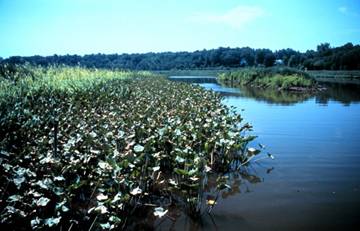
Chesapeake Bay Estuary |
|
As students complete this
activity they will form a greater understanding of what an estuary is and the
importance of these habitats on the global environment. |
|
Objectives: |
|
Upon completion of this
activity the student will: |
|
1. |
Define the term estuary. |
|
2. |
Name and describe several
different types of estuaries and the characteristics of each. |
|
3. |
Analyze how each type of
estuary contributes to the health of our global environment. |
|
|
|
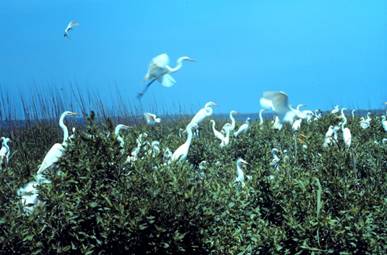
Winyah Bay
National Estuarine Research Reserve |
|
Activities: |
Read the following pages
and titles located on the National Oceanic and Atmospheric Administration’s
(NOAA’s) website and follow the prompts for the image activities: |
|
1. |
What
is an Estuary?
http://oceanservice.noaa.gov/education/kits/estuaries/estuaries01_whatis.html |
|
2. |
Why
are Estuaries Important? The Economy
and the Environment
http://oceanservice.noaa.gov/education/kits/estuaries/estuaries02_economy.html |
|
3. |
Why
are Estuaries Important? Ecosystem
Services
http://oceanservice.noaa.gov/education/kits/estuaries/estuaries03_ecosystem.html |
|
4. |
Classifying
Estuaries – By Geology
http://oceanservice.noaa.gov/education/kits/estuaries/estuaries04_geology.html |
|
5. |
Listen to the Diving Deeper
podcast on estuaries from NOAA’s National Ocean Service: Weekly News. http://oceanservice.noaa.gov/podcast/apr09/dd042209.mp3 |
|
|
|
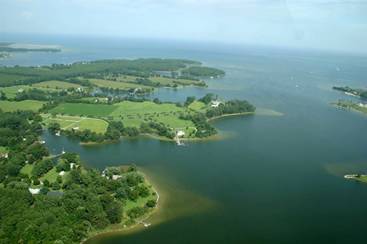
Chesapeake Bay Marine Estuary |
When you have completed all
the reading and listening activities, please complete the following worksheet
to be discussed in small groups.**
|
Name:________________________________ |
Date:_______________________________ |
|
Class period:___________________________ |
|
|
1. |
What is an estuary and
where are the located?
|
|
2. |
Why are estuaries important
to the environment? Give examples from
the reading and the podcast. |
|
3. |
What is the largest North
American marine estuary? |
|
4. |
What ecosystem services do
estuaries provide? |
|
5. |
How are estuaries
geologically classified? |
|
6. |
Why are estuaries important
no matter where you live? What are
some ways people adversely affect estuary environments? |
|
7. |
What are system-wide
monitoring programs? Where can they be
found and what is their purpose? |
|
8. |
What is the role of the
National Ocean Service? |
|
9. |
What do you feel is the
greatest responsibility of a population to contribute in protecting our
country’s estuaries? |
|
10. |
What recommendations could
you suggest to your community to help protect estuary environments? |
|
As you discuss your answers
with your group, write any additional information you learn in the space
below. |
|
|
|
Follow-up: |
|
Now that you have completed
all the above activities, I would like you to design your own estuarial
environment. In the space below, in 250
words, describe what elements your estuary contains, including plant and
animal life, water (whether salt or fresh, warm or cold, and type such as
river, stream, bay, beach, etc.), and climate. Be sure to include as many details as
possible to create a complete picture.
Then, illustrate your estuary under your description. Don’t stress on artistic ability. I am looking for creativity. |
**These worksheets can be
printed and used as hand-outs in class.