 Disaster Strikes!
Introduction:
You
are living in one of five cities:


A
natural disaster has just occurred in your city. In
Your
city was unaware that this disaster was coming and they had no idea what to do
when the disaster occurred. You and your
team must come up with a plan on what to do when one of these natural disasters
occur.
Task:
You
will be divided into five teams. Your
job is to explore the websites on the natural disaster that has just occurred in
your city. You will need to research the
following things to present to the class:
1.
What is the definition of natural disaster?
2.
What is the definition of your specific natural disaster?
3.
What causes your natural disaster?
4.
Are there different types of your natural disaster?
5.
What does your natural disaster do physically to the Earth’s
surface?
6.
What types of instruments (if any) can be used to detect if your
natural disaster is coming?
7.
What kind of weather is usually associated with your natural
disaster?
8.
What kind of precautions can the people in your city take to
decrease the chance of damage to their property if the natural disaster were to
occur again?
9.
How do you clean up your city after the natural disaster has
occurred?
10.
Pick 5 other facts about your natural disaster that the
people of your city should know about.
·
This could include: (among others)
§
How often the disaster may occur in one year
§
How to stay safe during the natural disaster
§
How long does the disaster usually last
§
Any recent occurrences of your disaster around the world
§
How dangerous your natural disaster really is
Along with these facts about your natural disaster
your team needs to come up with a plan for dealing with this type of
disaster. Your city is counting on you
to come up with a workable plan for precautionary measures before the disaster
occurs, evacuation, and clean up after the disaster occurs. You must list the elements of the plan and
include a description of each element. You
must also describe how you are going to implement the plan into the city.
You will be presenting (~ 15 minutes) your
information to the class. As a team you
must decide how to do this. The presentation
must include a visual aide. Pictures of
your natural disaster can be found on the websites provided or you may find
your own. You may use one of the following ideas or you may come up with your
own idea (to be approved by me):
·
A poster presentation
·
A PowerPoint presentation
·
A brochure (one needs to be made for everyone in the class)
· BrochureMaking
– click here for help on creating a brochure with Microsoft Publisher
(http://www.bham.wednet.edu/technology/TechWeb/Desktop_Publishing/PblBrocHow.htm)
Resources: make sure you include a
works cited page with your presentation!
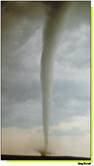 Tornadoes
http://www.noaa.gov/tornadoes.html
http://www.nssl.noaa.gov/NWSTornado/
http://www.spc.noaa.gov/faq/tornado/index.html
http://www.fema.gov/kids/tornado.htm
http://www.chaseday.com/tornadoes.htm
http://ww2010.atmos.uiuc.edu/%28Gh%29/guides/mtr/svr/torn/home.rxml
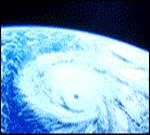 Hurricanes
http://ww2010.atmos.uiuc.edu/(Gh)/guides/mtr/hurr/home.rxml
http://hurricanes.noaa.gov/index.html
http://www.fema.gov/kids/hurr.htm
http://kids.earth.nasa.gov/archive/hurricane/index.html
http://www.miamisci.org/hurricane/
 Mudslides/Landslides
http://www.redcross.org/services/disaster/0%2C1082%2C0_588_%2C00.html
http://www.usatoday.com/weather/wmudslde.htm
http://www.surfnetkids.com/related.php?t=mudslides
http://www.doh.wa.gov/Topics/mudslide.htm
http://www.bt.cdc.gov/disasters/landslides.asp
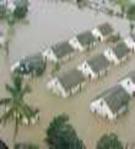 Floods
http://www.noaa.gov/floods.html
http://www.fema.gov/hazards/floods/
http://www.redcross.org/services/disaster/0%2C1082%2C0_585_%2C00.html
http://www.usgs.gov/themes/flood.html
http://test.weathereye.org/cadet/flood/
http://www.naturalhazards.org/investigate/floods/
 Earthquakes
http://pubs.usgs.gov/gip/earthq1/
http://www.crustal.ucsb.edu/ics/understanding/
http://www.earthquakes.bgs.ac.uk/
http://www.thetech.org/exhibits/online/quakes/overview/
http://www.fema.gov/kids/quake.htm
http://science.howstuffworks.com/earthquake.htm
Rubric: - you will only be receiving a group score for this assignment,
make sure you are putting in 100% effort to your group
|
|
Outstanding (3) |
Developing (2) |
Basic (1) |
|
Research |
Uses 4-5
websites from the list to find information |
Uses 2-3
websites from the list to find information |
Uses only
one (1) website from the list to find information |
|
Plan |
Lists all
three elements of the plan with a thorough description of the three elements,
thorough description of how to implement the plan in the city |
Lists the
elements of the plan with minimal description of the elements, minimal description of how to implement the plan |
Only lists
the three elements of the plan with no description of the elements or how to
implement the plan |
|
Presentation |
Using
visual aide only to highlight information, loud and clear speaking voice, a
lot of practice apparent, creative visual aide |
Reading
from visual aide, medium speaking voice, some practicing apparent, a little
extra information (not on visual aide) spoken |
Short,
just reading from visual aide or no visual aide present, low speaking voice,
not practiced |
Conclusion:
This
webquest activity is a great way for students to teach each other about
different natural disasters. This assignment
is designed for 8th graders as they are completing their unit on
weather. By working together the student
have a fun way to explore the different natural disasters that occur frequently
in our world today.