Tracy
Bell
SLM
521
Drop
In #4
Biomes of the
World
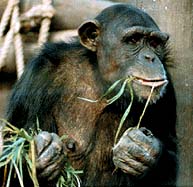
Biomes
are large natural areas where certain types of plants grow. Biomes also include
the animals that feed on the plants. The earth has more than 30 kinds of
biomes. As we begin our unit on biomes you will learn all about the different
biomes, the biomes in danger, and the animals and plants that are adapted to
those biomes. Spend some time exploring
the 5 sites below.
http://www.ucmp.berkeley.edu/glossary/gloss5/biome/
http://www.enchantedlearning.com/biomes/
http://www.factmonster.com/ipka/A0769052.html
http://www.oaklandzoo.org/zoo/discover.html
http://www.blueplanetbiomes.org/world_biomes.htm
After
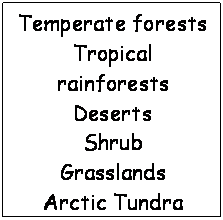
you read the information from each of the websites choose 2 biomes from the
list below. Compare and contrast the biomes.
Print out a Venn
diagram. Be sure that the following information is included in your Venn
diagram:
1.
the temperature in the biome
2.
animals that live in the biome
3.
vegetation found in the biome
Now
that you have completed the Venn diagram create a table that discusses why
biomes may be in danger. Be prepared to discuss this information with the
members of your group. The answers included in your table should come directly
from the reading of the websites above. Site the address of the website used to
verify this information. Your table may look something like this:
Example:
|
Forests People burn and clear trees for timber,
firewood, and to make way for roads and houses. When the trees are cleared, forests and
their wildlife disappear. |
Arctic Tundra |
|
Scrubland |
Wetlands |
|
Deserts |
Deserts |
|
Grasslands |
Freshwater Biomes |
After
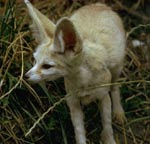
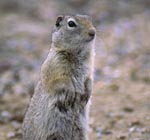
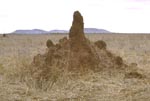
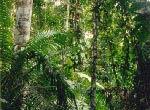
you’ve finished the table test your knowledge of biomes by matching the animals
with
the biome they belong with. We will go over the answers at the next class.
|
|
Grassland Temperate Desert Rainforest |
|
|
Grassland Temperate Desert Rainforest |
|
|
Grassland Temperate Desert Rainforest |
|
|
Grassland Temperate Desert Rainforest |