Julia Burke
SLM-521
Online Museum Visits—Elective #8
July 9, 2009
Online Museum Visits
Activity/Assignment One: Posted on Discussion Board
Activity/Assignment Two:
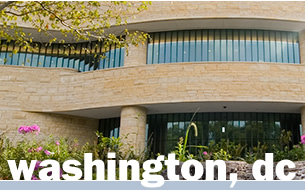
Courtesy, National Museum of the American Indian, Smithsonian
Institution
National Museum of the American Indian
Smithsonian Institution
The online site for the National Museum of the American Indian, Smithsonian Institution meets all guidelines as an excellent online museum educational tool. The site provides a spectacular integration of visual imagery and audio elements to produce a multimedia experience. Images of museum holdings are seamlessly interwoven with exhibition presentations and it is possible to view objects/artifacts and the museum itself interactively. The layout of the site is aesthetically pleasing and engages the user with easily navigable links. The balance between imagery and text allows for in-depth but not overwhelming acquisition of information and in this way encourages exploration. Special online exhibitions provide a powerful incentive for further investigation of this significant, yet often overlooked aspect of American history.
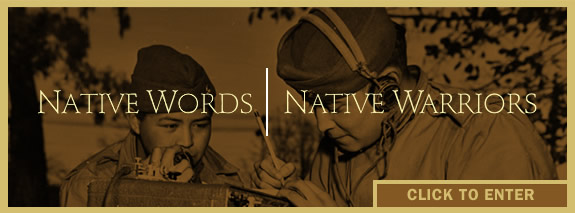
Courtesy, National Museum of the American Indian, Smithsonian Institution
Mini Activities
For the following activities I have focused on the presentation/exhibit Native Words/Native Warriors, which explores the contribution of the American Indian code talkers during World Wars I and II, in addition to the cultural milieu in which it occurred. (This site also provides educational activities of its own.)
http://www.nmai.si.edu/education/codetalkers/
Activity One: Information Gathering
Directions: After viewing the presentation/exhibit, answer the following questions.
1. Who are/were the code talkers?
2. What was their contribution to the United States?
3. When did they make this contribution?
4. What was the significance of their service? How was it unique?
5. Why did the code talkers serve?
Activity Two: Compare and Contrast
Directions: Compare and contrast the United States’ attitude toward American Indian language and culture before, during, and after World Wars I and II by answering the following questions.
1. Prior to World Wars I and II, what was the U.S. government’s attitude toward Native language and culture? Explain.
2. What was the boarding school system within this context? Describe the characteristics of these schools? What was their purpose?
3. What was the U.S. government’s attitude toward Native languages during the two world wars? Why did it change?
4. What was the attitude towards Native American servicemen after the war? Explain.
Activity Three: Summarize the Presentation/Exhibit
Directions: Summarize this exhibit and your reaction to it. Make sure to include answers to the following questions in your response.
1. Describe the different elements that contributed to the overall exhibit: images, audio, text, etc.
2. What did each element add to your experience and understanding of the subject of the exhibit? Explain.
3. What did you learn from this exhibit?
Activity Four: Reflection
Directions: Using the information provided by the previous activities, write an essay discussing the significance of this site’s existence. Why was this museum’s development necessary? What impact, if any, has this online visit had on you? Would you like to visit the actual museum? What other subjects might you like to explore? Fully explain your thinking.